Catalogue prices in EUR
Container prices exclude tax, transport and unloading. The supplier’s proposal details these separately.
View models and prices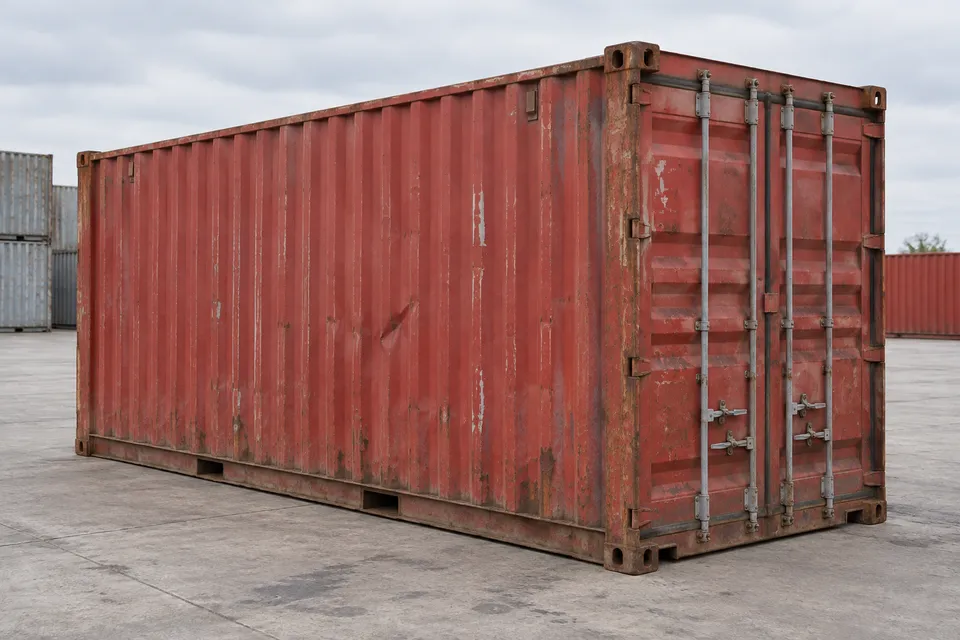
A closer look at this condition
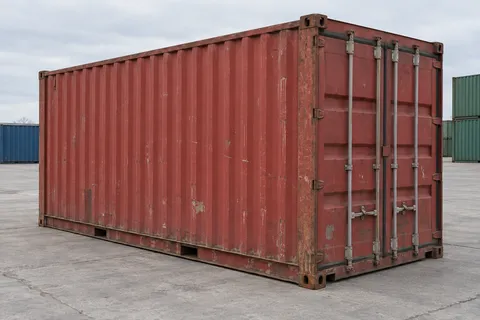
Used, last trip: more pronounced wear. Assess any repairs needed before choosing.
Understanding conditionExternal and internal dimensions, openings and price in a sheet you can keep.
Product details / Ireland
In stockReferenceCA-20-STANDARD-C-RED
This reference combines the 20-foot Standard format with the red colour option and the condition “Used · last trip”. It is offered in stock under reference CA-20-STANDARD-C-RED. The Standard configuration organises equipment, furniture or dry goods in an enclosed reserve, with its main access at one end. For this reference in Ireland, separate the container price in EUR from transport to your site. Describe the route from the access road to the unloading point, including any narrow passages.
Container price
€902excl. tax / unit
Unit price excluding tax. Transport and unloading quoted separately.
No obligation · sent to suppliers through Quotbox
Selected configurationUsed · last trip · Red
The 20-foot format allows a separate reserve with frequently used items apart from rear storage. A simple furniture or goods layout helps make use of the available length. For a Standard, start with how you will store and retrieve contents: shelving, long objects and packages call for different access arrangements. The uninsulated dry model does not maintain a constant temperature. Nominal external model dimensions are 6.058 × 2.438 × 2.591 m (length × width × height); usable measurements of the actual unit need confirmation.
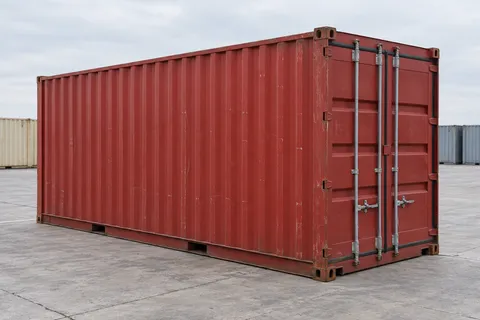
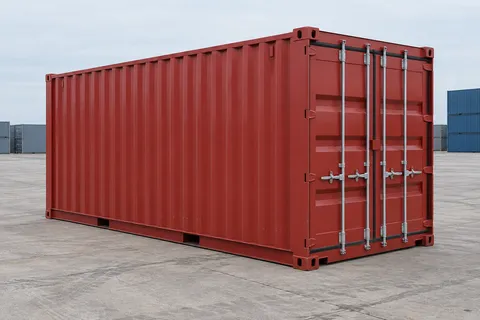
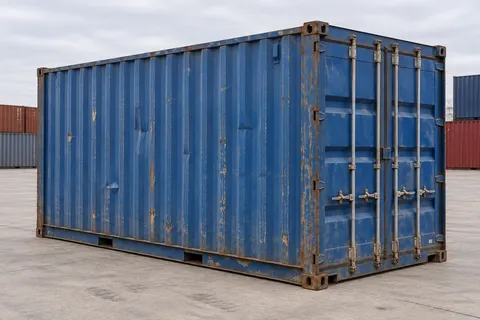
Last-trip condition describes a unit sold after its shipping service, with its own history to examine. This category calls for careful comparison of possible work and intended reuse. Suitability for further transport and required documentation must be checked separately. The red colour identifies this variant; request confirmation of its appearance and any paint repairs. Included equipment must be listed in the offer. Request recent photos of the proposed unit: catalogue images illustrate the configuration.
The displayed price covers the container excluding tax. Transport and unloading are quoted separately.
The supplier quotes delivery based on the destination, truck access and unloading equipment.
Describe manoeuvring space, the ground and any obstacles near the placement area.
Plan access and placement together. These three views help you describe your site to the supplier.
A truck-mounted crane can place the container from a suitable working area. The supplier confirms the vehicle, lifting reach and space needed for its stabilisers.
Provide gate width, bends, slopes and obstacles. The access route must suit the selected truck, all the way to its unloading area.
Prepare a stable, level position. Leave space in front of the doors for their swing and handling goods; the supplier confirms suitable supports.
Unsure about unloading? Describe access and placement, adding photos where possible. The supplier proposes a solution and states its cost.
Illustrative diagrams, not to scale. The supplier confirms vehicle dimensions, distances and unloading method for your site.
YOUR DESTINATION
Your project for Ireland: use this guide to prepare placement alongside the technical container choice. Add a visible landmark or entrance instructions when the address alone is insufficient. Describe the route from the access road to the unloading point, including any narrow passages.
Container prices exclude tax, transport and unloading. The supplier’s proposal details these separately.
View models and pricesGive the site’s full Eircode and locality. For land without a building, add a precise entrance landmark and the access road.
Describe gate width, manoeuvring space, ground conditions and overhead cables or branches. Say whether you have lifting equipment or need a crane truck.
Prepare for deliveryDelivery feasibility, vehicle, unloading and timing are confirmed for the supplied address. Selecting a country does not confirm local availability.
01 / Specifications
Dimensioned drawing · external dimensions
Side viewLength
End viewWidth / Height
Length 6.058 m · Width 2.438 m · Height 2.591 m
Cargo-door clearance (Width × Height)2.340 m × 2.292 m
Schematic drawing of the external envelope. Typical catalogue dimensions; equipment and openings vary by reference and manufacturer.
Typical dimensions for this model. Small variations are possible between manufacturers.
20′ / Standard
Container 20 ft Standard · Used · last trip · Red. For this reference, match your intended use with the access required and the details to include in the offer.
An uninsulated dry shell does not control temperature; sensitive goods require suitable protection. Allow a handling route in addition to the space occupied by this format.
To compare other configurations in the same format, see the catalogue’s 20-foot containers.
Keep the end accessible and place frequently used items near the doors. Give the full Eircode and locality; for land without a building, add an entrance landmark and access road.
Compare your largest item with the door clearance, including packaging and handling equipment. To prepare these choices, use the condensation guide.
For a last-trip unit, ask about planned repairs and structural condition; suitability for further transport must be checked separately. Follow the steps in the used-container inspection guide.
Request recent photos of the actual unit, its identification and an offer listing included equipment and planned repairs.
Dimensions, access, storage and delivery: practical answers for your project.
This 20-foot container provides about 33.2 m³ of internal volume for equipment, tools, furniture or dry goods. Keep frequently used items near the doors and leave a passage if you need to reach the far end. A standard container is neither insulated nor temperature-controlled: heat-, frost- or moisture-sensitive goods need suitable protection.
The typical door opening is 2.340 × 2.292 m (width × height), whereas the internal space measures 5.900 × 2.352 × 2.395 m. First compare the item’s width and height with the opening, including packaging and handling equipment. Also allow for door swing and a loading area in front of the end.
Outside (length × width × height): 6.058 × 2.438 × 2.591 m, occupying about 14.8 m². Typical inside dimensions (length × width × height): 5.900 × 2.352 × 2.395 m, with about 13.9 m² of floor area and 33.2 m³. The door opening is 2.340 × 2.292 m (width × height), separate from the internal dimensions. These are model reference dimensions; manufacturing and equipment can cause small differences.
Last trip describes a container sold at the end of its shipping service, not automatically one in poor condition. Wear and repairs depend on the unit: examine its doors, floor and seals in recent photographs. For further transport, unit suitability and CSC plate validity must be assessed separately from this description.
A metal wall can collect condensation when humid air meets a cold surface, even without water ingress. Store dry goods, pallets and packaging, maintain air circulation around the load and monitor humidity, especially after large temperature changes. Sensitive goods need moisture protection and ventilation suitable for their use. An uninsulated dry container does not maintain a constant temperature.
This configuration costs €902 excluding tax for one container. Transport, unloading and any fit-out are quoted separately for your request. Currency and price follow the selected country; the proposal sets out applicable taxes and the complete amount.
The container occupies about 14.8 m², with an external base of 6.058 × 2.438 m. That area excludes door swing and space for the truck and handling equipment. Prepare a stable, level location and provide the postcode or area, narrow passages, turns, slopes, obstacles and available unloading equipment. These details support transport pricing and selection of a suitable vehicle. Give the full Eircode and locality; for land without a building, add an entrance landmark and access road. Eircode: all 7 Eircode characters. Format example: D02 X285. Use your site’s code, not this example. Add a visible landmark or entrance instructions when the address alone is insufficient. Describe the route from the access road to the unloading point, including any narrow passages. The proposal should confirm transport, unloading, availability and timing for this site.
Your selection and delivery details are sent through Quotbox to approach suppliers. They are used to propose a unit and detail the container, taxes, transport and unloading. You can compare that proposal and refine your project before accepting it. The form is a no-obligation enquiry with no automatic purchase or payment.
€902excl. tax / unit