20′
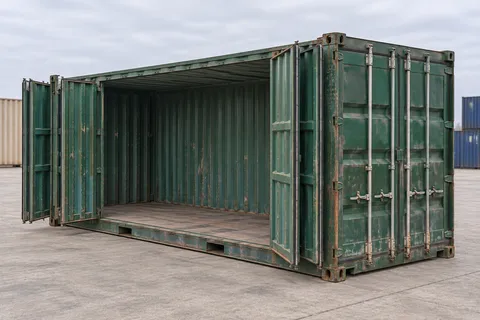
Open Side
Container 20 ft Open Side · Used · last trip · Green
Used · last tripGreen
Reference: CA-20-OPEN-SIDE-C-GREEN
Container price£1,701.5excl. tax
ExploreTransport and unloading on request
CONTAINER ORIGIN / The catalogue
This selection brings together the catalogue’s 68 “Used · last trip” references: 10-foot standard units and seven configurations in 20 and 40 feet. Compare the exact product price against the intended use. Start with standard for ordinary storage; office and refrigerated models also require their equipment to be checked.
Use the same delivery location when comparing this selection in GBP: transport depends on the address and access. Postcode: both groups of the complete postcode. Format example: SW1A 1AA. Use your site’s code, not this example.
Last-trip units may suit storage projects where signs of use are acceptable after you inspect the actual container. Standard, High Cube, double-door, side-opening, Open Top, office and refrigerated options are listed. Choose the access arrangement and equipment your project needs first. A model from this selection: Container 20 ft Standard · Used · last trip · Beige.
THE COLLECTION
All 68 product references in this selection are in stock. State the quantity you need when requesting an offer.
Search by size, type, condition, colour or reference. Use arrows for suggestions, Enter to select, Escape to close.
Your budgetGBP · excl. tax
Container price per unit, excluding delivery.
49–68 of 68 products
Back to filtersUsed · last tripGreen
Reference: CA-20-OPEN-SIDE-C-GREEN
Container price£1,701.5excl. tax
ExploreTransport and unloading on request
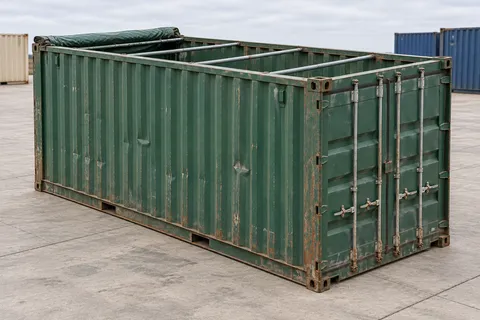
Used · last tripGreen
Reference: CA-20-OPEN-TOP-C-GREEN
Container price£1,394excl. tax
ExploreTransport and unloading on request
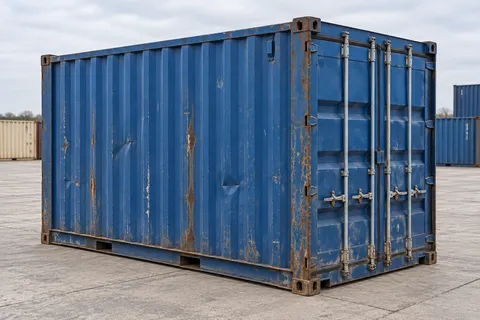
Used · last tripBlue
Reference: CA-10-STANDARD-C-BLUE
Container price£1,209.5excl. tax
ExploreTransport and unloading on request
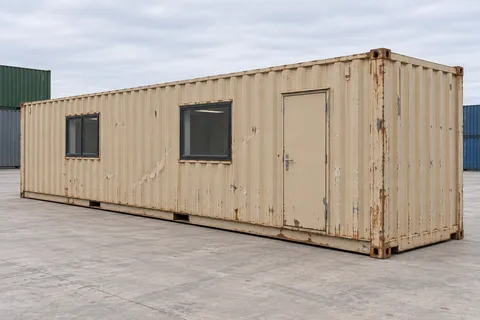
Used · last tripBeige
Reference: CA-40-OFFICE-C-BEIGE
Container price£8,015.5excl. tax
ExploreTransport and unloading on request
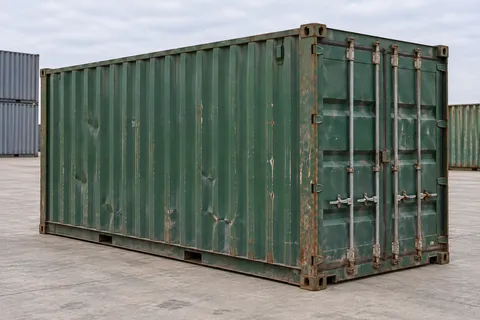
Used · last tripGreen
Reference: CA-20-STANDARD-C-GREEN
Container price£656excl. tax
ExploreTransport and unloading on request
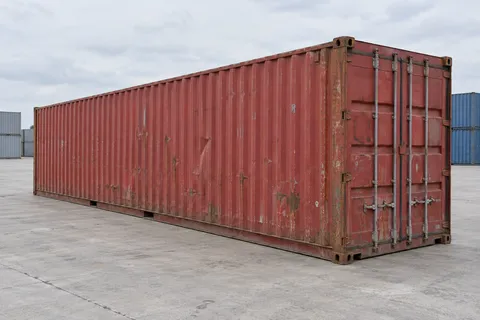
Used · last tripRed
Reference: CA-40-STANDARD-C-RED
Container price£1,148excl. tax
ExploreTransport and unloading on request
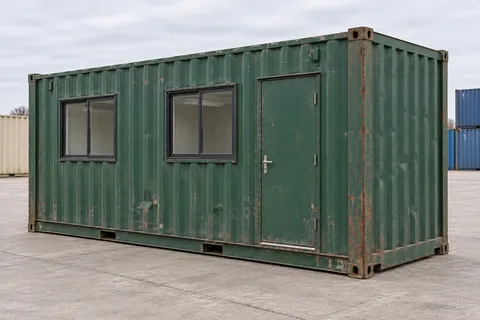
Used · last tripGreen
Reference: CA-20-OFFICE-C-GREEN
Container price£4,120.5excl. tax
ExploreTransport and unloading on request
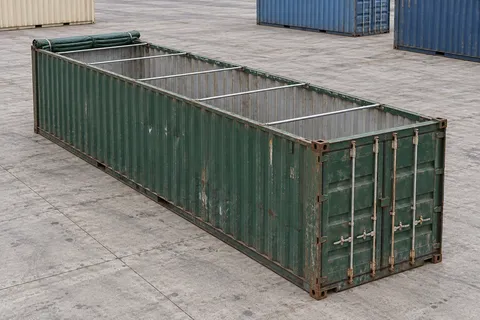
Used · last tripGreen
Reference: CA-40-OPEN-TOP-C-GREEN
Container price£2,296excl. tax
ExploreTransport and unloading on request
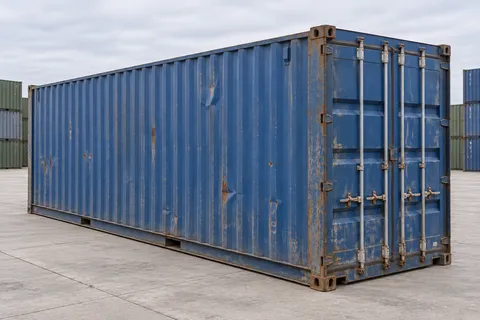
Used · last tripBlue
Reference: CA-40-HIGH-CUBE-C-BLUE
Container price£1,496.5excl. tax
ExploreTransport and unloading on request
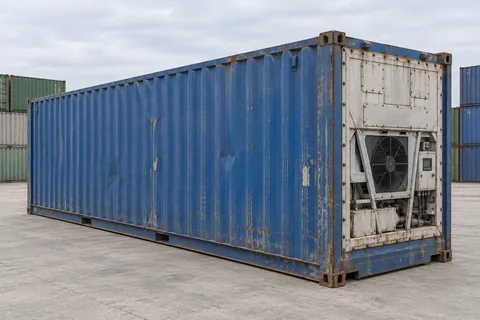
Used · last tripBlue
Reference: CA-40-REEFER-C-BLUE
Container price£6,867.5excl. tax
ExploreTransport and unloading on request
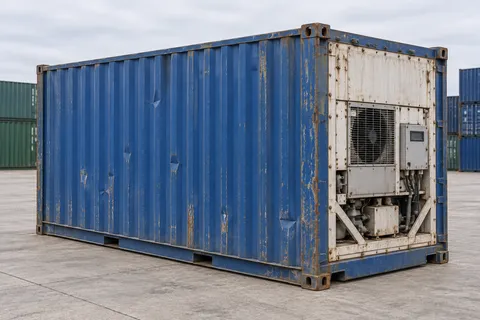
Used · last tripBlue
Reference: CA-20-REEFER-C-BLUE
Container price£3,587.5excl. tax
ExploreTransport and unloading on request
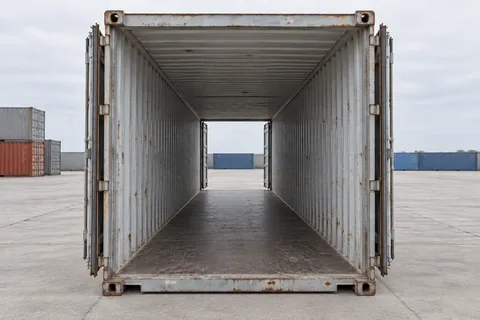
Used · last tripGrey
Reference: CA-40-DOUBLE-DOOR-C-GREY
Container price£1,886excl. tax
ExploreTransport and unloading on request
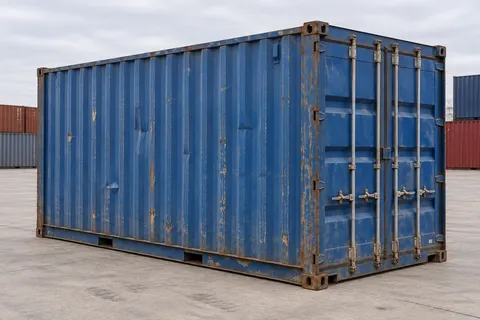
Used · last tripBlue
Reference: CA-20-STANDARD-C-BLUE
Container price£656excl. tax
ExploreTransport and unloading on request
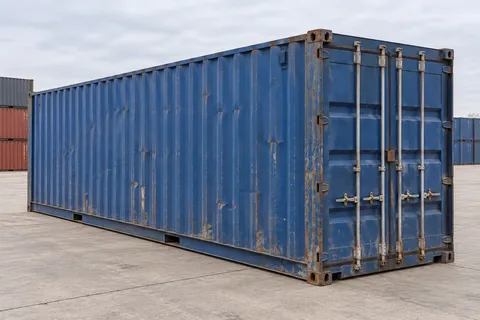
Used · last tripBlue
Reference: CA-40-STANDARD-C-BLUE
Container price£1,148excl. tax
ExploreTransport and unloading on request
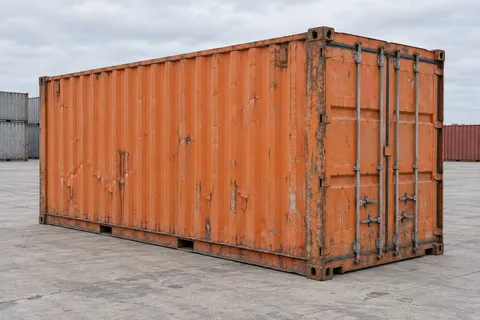
Used · last tripOrange
Reference: CA-20-STANDARD-C-ORANGE
Container price£656excl. tax
ExploreTransport and unloading on request
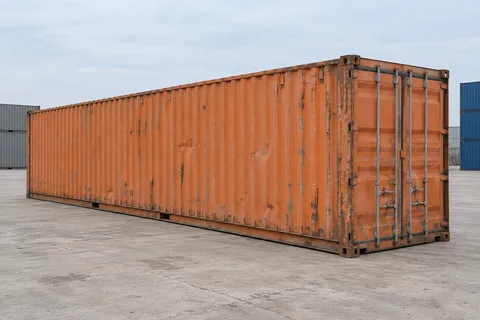
Used · last tripOrange
Reference: CA-40-STANDARD-C-ORANGE
Container price£1,148excl. tax
ExploreTransport and unloading on request
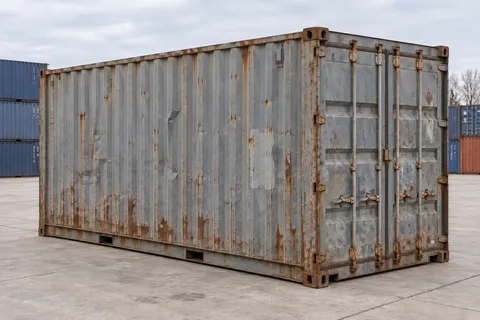
Used · last tripGrey
Reference: CA-20-STANDARD-C-GREY
Container price£656excl. tax
ExploreTransport and unloading on request
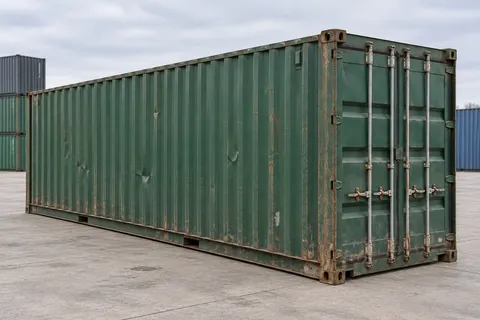
Used · last tripGreen
Reference: CA-40-STANDARD-C-GREEN
Container price£1,148excl. tax
ExploreTransport and unloading on request
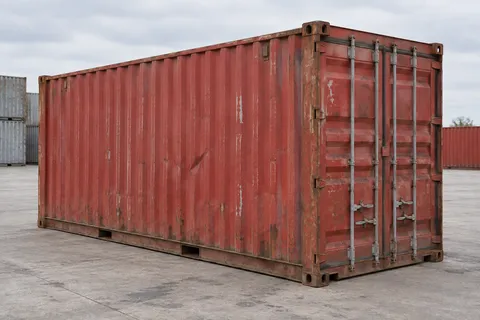
Used · last tripRed
Reference: CA-20-STANDARD-C-RED
Container price£656excl. tax
ExploreTransport and unloading on request
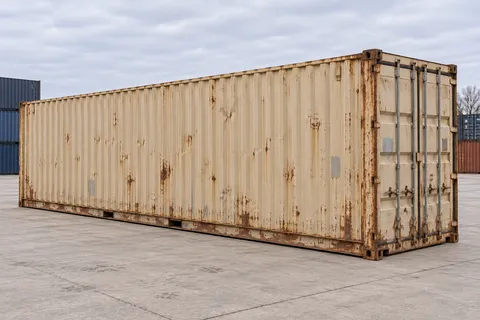
Used · last tripBeige
Reference: CA-40-STANDARD-C-BEIGE
Container price£1,148excl. tax
ExploreTransport and unloading on request
49–68 of 68 products
Back to filtersYOUR DESTINATION
Delivery — United Kingdom. This guide also helps you prepare the site and the truck's arrival. Include the building or site name when it helps identify the correct entrance. State the space available for manoeuvring and for leaving after placement.
Container prices exclude tax, transport and unloading. The supplier’s proposal details these separately.
View models and pricesGive the full postcode and post town, with the building number or name. The first part of the postcode alone does not locate the site entrance.
Describe gate width, manoeuvring space, ground conditions and overhead cables or branches. Say whether you have lifting equipment or need a crane truck.
Prepare for deliveryDelivery feasibility, vehicle, unloading and timing are confirmed for the supplied address. Selecting a country does not confirm local availability.
Request recent photos of the corners, underside, roof, doors and floor, plus close-ups of any repairs and rust. Ask about holes, perforating corrosion, damp areas, seals and locking mechanisms. Include any necessary repair work in your comparison.
“Last trip” describes a used-condition category. It is not a transport certificate, proof of watertightness, or a documented final sailing. For maritime use, request the necessary documents and checks; for storage, cost useful repairs before comparing the complete project price.
Each card shows the indicative price excluding tax for that exact product. Transport and unloading cost extra: compare the complete cost for your destination alongside the container price. Condition, type and colour identify the product to include in your enquiry.
Request recent photos of the unit offered, its history and relevant checks. The quote specifies the container, taxes, transport, handling and agreed services.
Provide the postcode, town, quantity and preferred timing. Measure access routes and mention bends, slopes, overhead lines and obstacles. A delivery vehicle may need more space than the container: have access and unloading arrangements confirmed in the offer.
A 40-foot container is about 12.19 m long externally. It requires a long placement area and room for doors, circulation and handling. Have the supports, levelling and available space assessed before choosing the final position.
Yes, if its condition suits what you want to store. Check the floor, structure, roof, seals and door locks, especially if your goods need to stay dry. Have the agreed repairs and checks written into the quote: the term 'last trip' does not guarantee them.
10-foot standard reference: interior 2.841 × 2.352 × 2.393 m, door opening 2.343 × 2.280 m, typical internal volume 16 m³. Use these figures to plan storage and the path of items through the doors; small differences between manufacturers are possible. 20-foot standard reference: interior 5.900 × 2.352 × 2.395 m, door opening 2.340 × 2.292 m, typical internal volume 33.2 m³. Use these figures to plan storage and the path of items through the doors; small differences between manufacturers are possible. 40-foot standard reference: interior 12.032 × 2.352 × 2.395 m, door opening 2.340 × 2.292 m, typical internal volume 67.7 m³. Use these figures to plan storage and the path of items through the doors; small differences between manufacturers are possible. These dimensions describe standard containers. High Cube, double-door, side-opening, Open Top and refrigerated configurations have their own measurements. Check the chosen model’s interior and openings in its product page; an office fit-out can reduce usable space.
Open the chosen product’s enquiry and enter the destination, quantity and intended use. The reference is preselected. The quote details the final price, taxes, transport and unloading. Sending an enquiry is non-binding and does not place an order.
Give the full postcode, post town and building number or name; the first postcode group alone does not locate the entrance. Postcode: both groups of the complete postcode. Format example: SW1A 1AA. Use your site’s code, not this example. Include the building or site name when it helps identify the correct entrance. State the space available for manoeuvring and for leaving after placement. The proposal should confirm transport, unloading, availability and timing for this site.